01.03 / NERVE COMPRESSION
Peripheral
Nerve Injury
After an injury, a change in feeling or movement can signal more than a wound. Understanding which nerve is affected, and how severely, helps protect function and plan recovery.
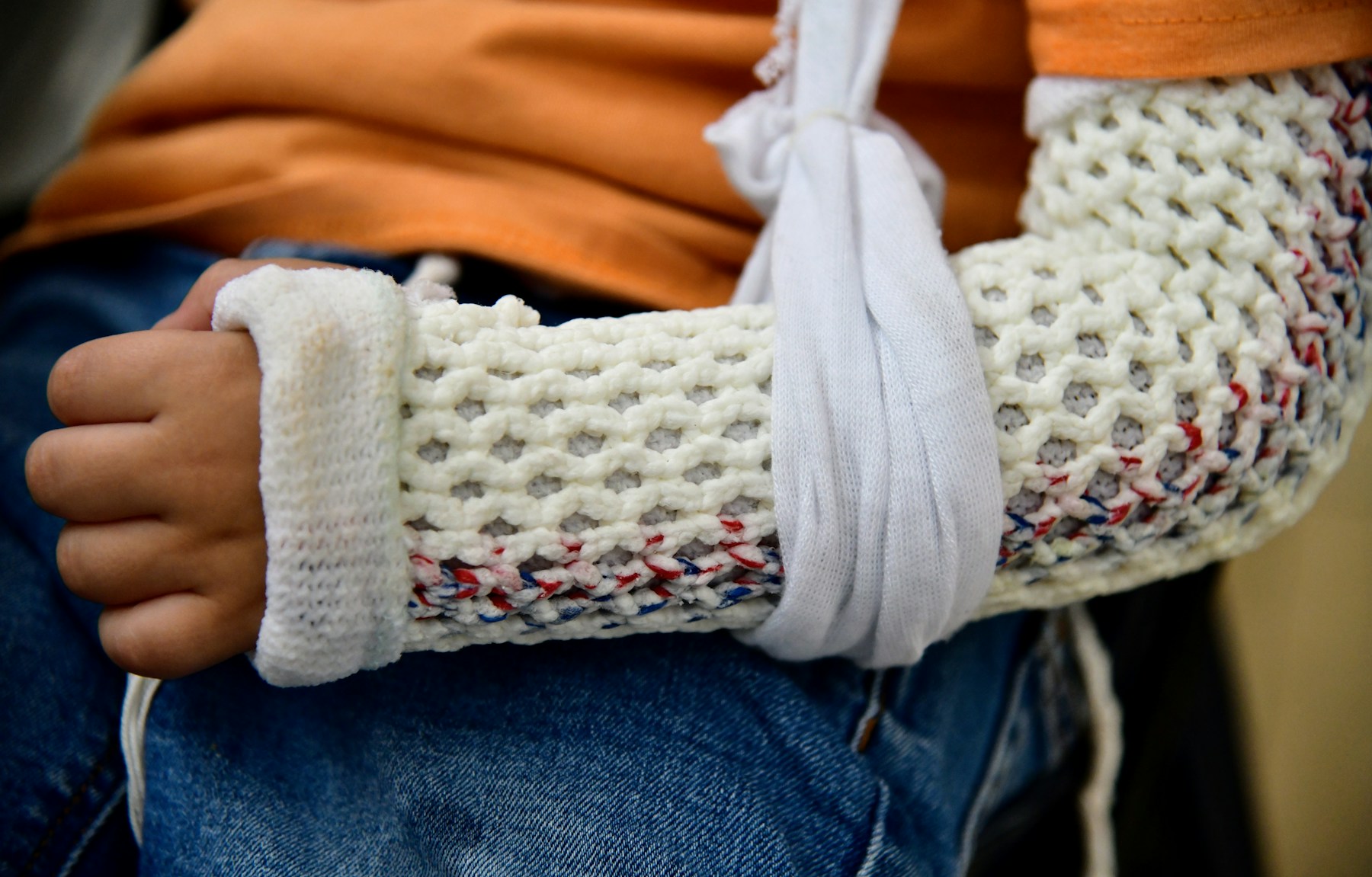
01 / HAND / ARMMovement & sensation
Peripheral
Nerve Injury
What it is
Peripheral nerves carry messages between the brain and spinal cord and the rest of the body. In the upper limb, they help muscles move and allow you to feel touch, pressure and temperature. An injury may temporarily interrupt signalling, damage the fibres inside a nerve or divide the nerve completely.
1The changes you may notice
Symptoms depend on the nerve and level of injury. Feeling may be reduced, absent or unusually sensitive. Some people describe burning or electric discomfort, while others mainly notice weakness. The area of numbness and the movements affected help identify the nerve involved.
- Tingling, numbness or altered response to touch.
- Difficulty gripping, pinching or moving particular fingers.
- Reduced control of the wrist or hand.
More than one way to injure a nerve
A cut can divide nerve fibres; a crush can damage them without an open wound. A fall, joint dislocation or fracture may stretch, trap or injure a nearby nerve. Sustained pressure can also interrupt nerve function. The circumstances of the injury help explain what may have happened beneath the skin.
1Why apparently similar injuries differ
A short-lived pressure injury may recover without a repair, whereas a divided nerve cannot simply reconnect in the same way. Even when the outer covering remains intact, the fibres within it may be damaged. The length, level and severity of injury influence the chance and timescale of recovery.
2When to seek urgent assessment
Seek urgent emergency assessment after a cut if there is new loss of feeling or difficulty moving the hand or fingers. A large or deep wound, uncontrolled bleeding or an embedded object also needs emergency care. Do not wait for a routine clinic appointment.
After any arm injury, a hand that becomes cold, pale or blue, or rapidly increasing pain and swelling with numbness, also needs urgent assessment. These signs may involve circulation or pressure as well as the nerve.
89Understanding the injury.
Planning the recovery.
A careful examination sets the direction
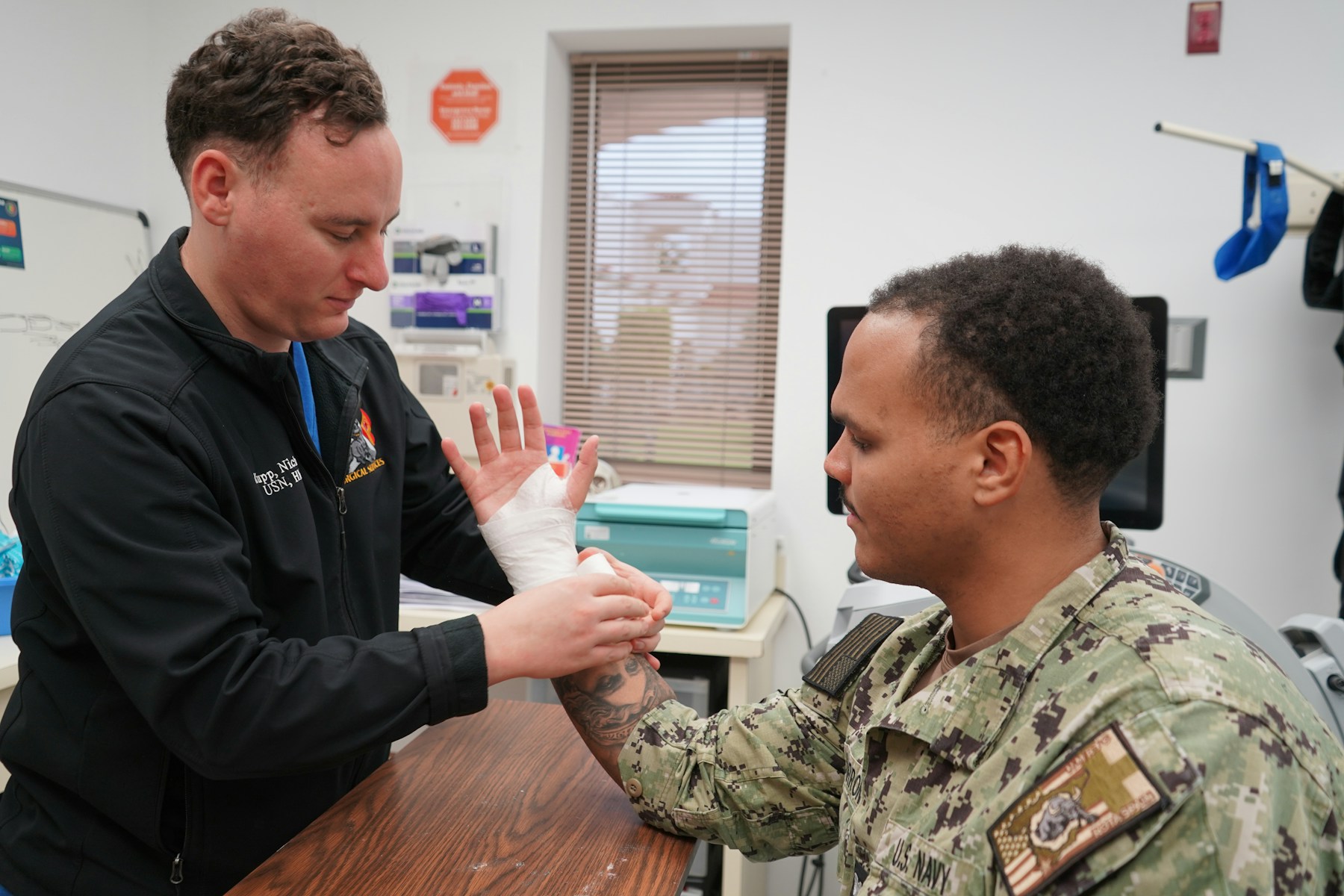
Assessment records the injury mechanism, timing and any immediate change in sensation or movement. The clinician maps feeling and tests individual muscles, rather than relying only on overall grip. Wounds, circulation, joints, tendons and bones may need assessment alongside the nerve. Repeat examinations can show whether function is returning.
1Investigations chosen for the injury
Nerve conduction studies assess electrical signalling; EMG examines muscle activity. They can help locate damage and follow recovery. Ultrasound or MRI may show the nerve and surrounding tissues, while other imaging evaluates an associated bone or joint injury.
The value and timing of tests depend on the injury. A specialist may arrange repeat studies; urgent clinical review should not be postponed while waiting for a test.
4When monitored recovery is appropriate
Some injuries remain in continuity and can recover without an operation. Care may include protection from further pressure, a splint to support weak joints, pain management and hand therapy. Observation should be an active plan with reassessment of sensation and muscle function, not indefinite waiting.
Pain treatment may need to address nerve pain specifically. Medication and therapy are selected with your clinical team.
4Repair, release and reconstruction
The operation depends on what is damaged. A nerve compressed by scar may need release. If a nerve is divided, microsurgical repair aligns the ends when they can meet without harmful tension. If there is a gap, a nerve graft may provide a bridge; other bridging methods suit selected injuries.
Exploration may reveal more damage than the skin wound suggests. The plan must account for associated tendon, bone or vascular injuries as well as the nerve.
5When the problem needs a wider plan
For a severe, delayed or extensive injury, direct repair may not be the only option. A nerve transfer redirects a functioning nerve connection towards an important target. A tendon transfer uses an available working muscle-tendon unit to substitute for a lost movement. These procedures have different aims and trade-offs.
Specialist planning considers useful donor function, the distance to the affected muscles and what matters most in daily life. No single reconstruction suits every nerve injury.
5Rehabilitation is part of treatment
Hand therapy can protect a repair while maintaining appropriate joint movement. Splints, graded exercises, scar care once the wound allows, and sensory retraining are introduced according to the injury and procedure. A repair must not be stretched or loaded beyond the team’s instructions.
Protect areas with reduced feeling from hot objects, sharp edges and unnoticed pressure. Inspect the skin regularly; pain is not a reliable warning when sensation is impaired.
6A realistic view of recovery
Healing of the surgical wound does not mean the nerve has finished recovering. When injured fibres can regrow, they do so slowly — often described as roughly a millimetre a day after an initial delay. This is a broad biological guide, not a predicted date for a normal hand.
The distance to the hand, severity of damage and time since injury all matter. Recovery can take many months or longer and may be incomplete; some people retain weakness, altered feeling or cold sensitivity.
2Making recovery work in everyday life
Rehabilitation should include practical goals: self-care, sleep, work and the tasks you value. Persistent pain and the uncertainty of recovery can affect confidence and wellbeing. A specialist team may involve hand therapists, pain clinicians and psychological support where useful.
Return to work, driving and sport is based on safe function and the treatment plan, rather than on the appearance of a healed scar alone.
7Why early specialist review matters
Different injuries need different decisions: some should be monitored, while others benefit from timely exploration or repair. Early assessment helps establish that distinction and keeps reconstruction options under consideration. Persistent or increasing weakness, numbness or poor recovery after an injury should be reviewed rather than accepted as inevitable.
3THE NEXT CHAPTER / YOUR CARE
A clearer plan for nerve recovery.
Specialist assessment brings the injury, examination and recovery potential together. Discuss the options for protecting sensation, restoring movement and supporting rehabilitation.
Book a Consultation